
Pakistan's Prime Minister Shehbaz Sharif has engaged in extensive diplomatic efforts to de-escalate the conflict in West Asia, offering to host talks between the US and Iran and engaging with leaders from Saudi Arabia, Qatar, Malaysia, the UK, China, and the European Union.
Pakistan's Prime Minister Shehbaz Sharif has offered to mediate between the US and Iran to de-escalate the ongoing conflict in West Asia, following a joint US-Israel attack on Iran. Sharif has been in contact with Saudi Arabia, the UAE, and other nations to promote dialogue and diplomacy.

Pakistani Prime Minister Shehbaz Sharif is actively engaged in diplomatic efforts to de-escalate tensions in West Asia, offering to host talks between the US and Iran and engaging with regional leaders to promote peace and stability.
Pakistani Prime Minister Shehbaz Sharif has briefed Saudi Crown Prince Mohammad bin Salman on Pakistan's diplomatic efforts to de-escalate the situation in West Asia. This follows Pakistan's offer to host talks between the US and Iran to resolve the ongoing conflict.

Pakistan's Prime Minister Shehbaz Sharif has offered to host talks between the US and Iran to help resolve the ongoing conflict in the Middle East, following reports of Pakistan's involvement in backchannel diplomacy.
Pakistan's Prime Minister Shehbaz Sharif has called for urgent de-escalation and dialogue in West Asia during a phone call with Iran's President Masoud Pezeshkian, expressing serious concern over ongoing hostilities.

Pakistan has announced a temporary pause in its ongoing operation against the Afghan Taliban in response to requests from Islamic countries and in view of the upcoming Eid festival, following accusations from Afghanistan regarding an attack on a rehabilitation hospital in Kabul.
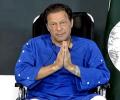
A medical team examined jailed former Prime Minister Imran Khan at Adiala Jail in Rawalpindi, following an Islamabad High Court order. Khan is suffering from central retinal vein occlusion (CRVO).
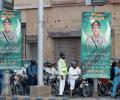
Pakistan has rejected India's criticism of its military campaign in Afghanistan, calling India's statement 'baseless' and 'misleading'.

A devastating airstrike on a Kabul drug rehabilitation centre has killed hundreds, escalating tensions between Afghanistan and Pakistan and prompting international calls for de-escalation and investigation.

Pakistan's Foreign Minister Ishaq Dar has called for dialogue to address the ongoing conflict in West Asia, emphasising the importance of diplomatic engagement and sustained efforts to promote peace and stability in the region.
A non-profit organisation reports a rise in child abuse and gender-based violence cases across Pakistan in 2025, with Punjab province accounting for the majority of reported incidents.
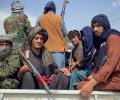
Pakistan confirms its armed forces targeted terrorist hideouts and military installations in Afghanistan's Kandahar province, claiming the action was in response to attacks by the Afghan Taliban. The strikes, part of Operation Ghazab lil-Haq, targeted technical support infrastructure and equipment storage used by terrorists, according to Pakistani officials.

The Pakistan Army intercepted and destroyed Afghan Taliban drones targeting civilian areas, resulting in injuries. This incident has further strained relations between the two countries, with Pakistan reiterating its commitment to combating terrorism emanating from Afghanistan.

Pakistan's army intercepted and destroyed Afghan Taliban drones near Islamabad, resulting in injuries from debris. The incident has heightened tensions between the two countries, with Pakistan reiterating its commitment to combating terrorism emanating from Afghan soil.
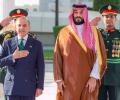
Prime Minister Shehbaz Sharif met with Saudi Crown Prince Mohammed bin Salman to express Pakistan's support for the Kingdom amidst escalating tensions in West Asia, reaffirming their mutual defence pact and commitment to regional stability.
Pakistan claims significant casualties inflicted on Afghan Taliban operatives during a recent military operation along the border, while diplomatic efforts are reportedly underway to find a negotiated solution.
A senior Pakistani official has affirmed Pakistan's commitment to supporting Saudi Arabia, even before assistance is explicitly requested, amidst ongoing conflict in West Asia. This pledge underscores the close ties between the two nations and Pakistan's role in regional stability.

Pakistan's security forces claim to have killed hundreds of Afghan Taliban operatives in an ongoing military operation along the border, launched in response to attacks on Pakistani locations.

Pakistani security forces killed 13 terrorists in multiple intelligence-based operations in the Khyber Pakhtunkhwa province, amidst a surge in terrorist activities in the region.
